
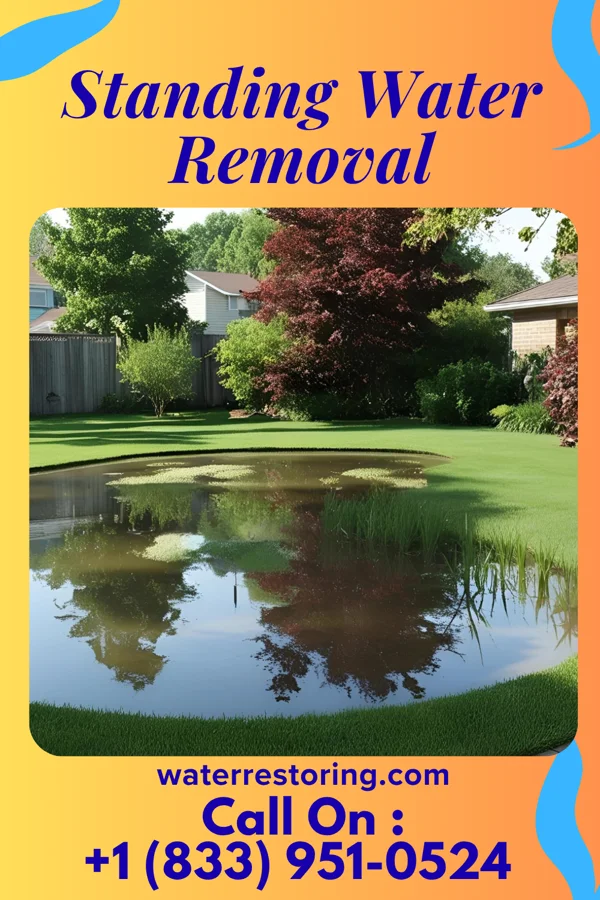
Tull Standing Water: What Owners Should Know
Residential or commercial, water damage emergencies in Tull keep coming back to the same drivers. In Tull, Arkansas, primary water damage often stems from sudden flooding due to heavy rainfall or burst pipes in older homes, which are common in the rural area. The region's flat terrain and proximity to water sources like the White River increase the risk of water intrusion during storms. sits at the top of the list. A close second is Secondary causes include leaking roofs, malfunctioning sump pumps, and sewer backups, which are frequent in the area due to aging infrastructure. Additionally, seasonal flooding from nearby creeks and rivers can lead to prolonged water exposure in homes..
Tull experiences a humid subtropical climate with frequent thunderstorms and heavy rainfall, especially in the spring and summer months. This climate contributes to higher risks of water damage, particularly in low-lying areas near Traskwood and Haskell.
Water damage in Tull follows a few local patterns. In Tull, Arkansas, primary water damage often stems from sudden flooding due to heavy rainfall or burst pipes in older homes, which are common in the rural area. The region's flat terrain and proximity to water sources like the White River increase the risk of water intrusion during storms. accounts for the bulk of our calls. Tull experiences a humid subtropical climate with frequent thunderstorms and heavy rainfall, especially in the spring and summer months. This climate contributes to higher risks of water damage, particularly in low-lying areas near Traskwood and Haskell. Mold can develop quickly in Tull's humid climate, especially after water damage incidents. Prompt action is crucial to prevent health risks and structural damage in the region's older, often poorly ventilated homes.